
Benefits of the OBD-Based Remote Monitoring for AI based BMS

OBD (On-Board Diagnostics) is a standardized system in vehicles and equipment that enables real-time monitoring, diagnostics, and communication with electronic control units (ECUs) or systems like the AI based Battery Management System (BMS) in lithium batteries. https://www.multitel.com/how-to-remotely-monitor-lithium-ion-batteries/
Here’s a breakdown:
What is OBD?
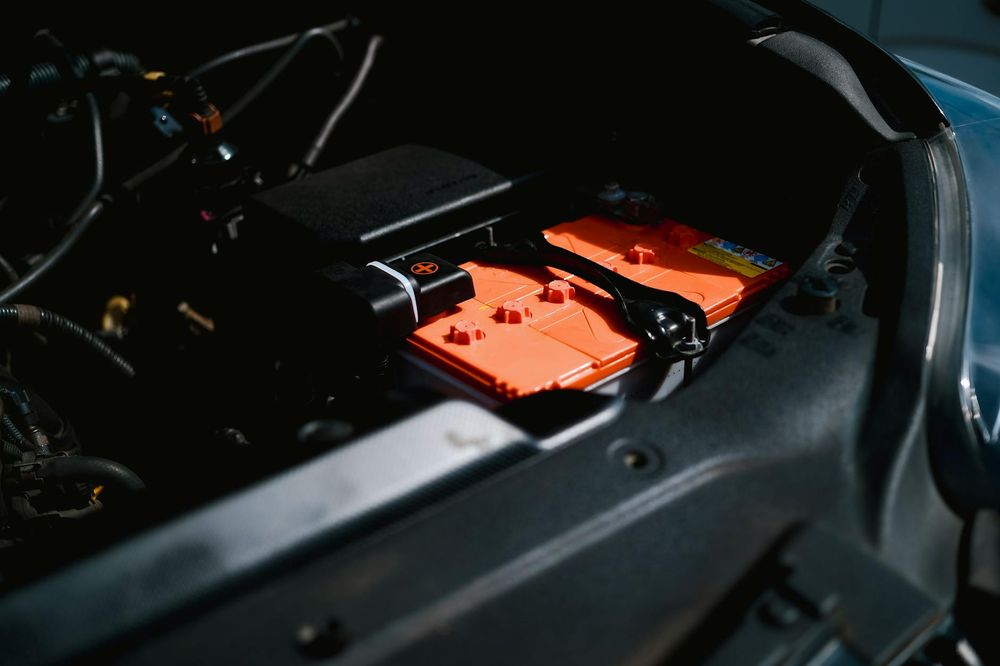
- Purpose:
- Monitors the health and performance of critical components (e.g., engine, emissions systems, batteries).
- Detects faults, logs error codes, and provides access to live data (e.g., voltage, temperature, current).
- Common Use Cases:
- Automotive diagnostics (e.g., engine issues, emissions compliance).
- Industrial/energy systems (e.g., lithium-ion battery monitoring, as in Inverter, UPS, BESS application).
-
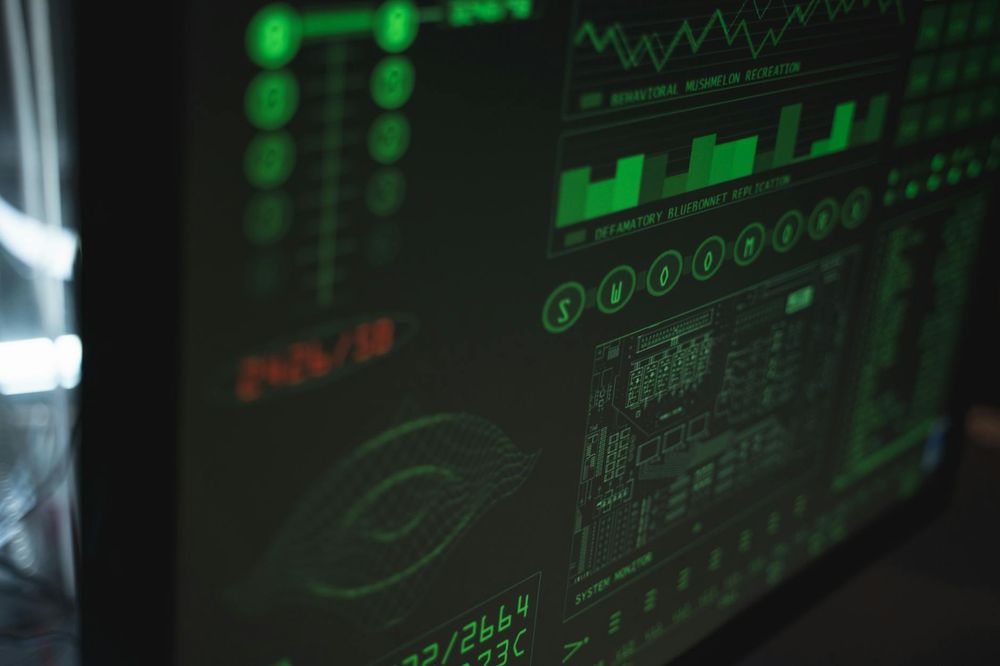
Connection Diagram for Lithium battery with the external OBD
Connect the OBD tool 2-pin can port (Tool that helps communicate BMS to Software) to
BMS can port with 2 pin harness cable.
• Connect the Data cable with one side micro-USB/Type C with the OBD tool and USB to the PC.
• Now open the Bat Bot Software on your PC, and your data will be visible.
Key Features of OBD Systems
- OBD Port (Physical Interface)
- A standardized connector (e.g., 16-pin OBD-II port in cars) to plug in diagnostic tools or devices (like your GSM module).
- Acts as a gateway to communicate with the BMS or ECUs.
- Diagnostic Trouble Codes (DTCs):
- Alphanumeric codes (e.g.,
P0420for catalytic converter issues) that pinpoint faults. - In your case, BMS-specific codes might flag low voltage, overcurrent, or thermal events.
- Live Data Stream:
- Real-time access to parameters like:
- Battery voltage, current, state of charge (SOC).
- Temperature, cycle count, and fault history.
- Standardized Protocols:
- Communication protocols like CAN bus (Controller Area Network), SAE J1939, or K-line.
- Ensures compatibility between devices (e.g., BMS, OBD reader, GSM module).
-

CAN based protocol
-
OBD-I vs. OBD-II
- OBD-I (Pre-1996):
- Proprietary systems with limited standardization (varies by manufacturer).
- Basic diagnostics, no universal connector.
- OBD-II (Post-1996):
- Standardized globally for vehicles (mandated in the U.S., EU, etc.).
- Uses a universal 16-pin connector and protocols (CAN, ISO 9141).
- Required for emissions testing and advanced diagnostics.
How OBD Works in Inverter, UPS, BESS Lithium Battery Systems
- BMS Integration:
- The BMS in your lithium battery uses OBD protocols to share data (voltage, cycles, alerts).
- The OBD port acts as the physical/data interface between the BMS and external devices.
- Remote Monitoring via GSM:
- An OBD-to-GSM adapter reads BMS data (e.g., via CAN bus) and transmits it to a cloud server.
- Enables remote tracking of battery health, alerts, and historical logs.
- Programmability:
- OBD allows writing commands to the BMS (e.g., adjusting voltage limits, resetting faults).
-

Lithium battery range Su-vastika having option of connecting OBD
-
Applications Beyond Automotive
- Lithium Batteries (Inverter,UPS,ESS,BESS): All the Solar storage solutions or Battery Storage Systems need this system to monitor the battery parameters on a regular basis and the OBD on BMS board will be an extra cost and power consumption for the smaller systems up to 5KW capacity.
- Track performance, predict failures, and optimize lifespan. https://suvastika.com/step-by-step-guide-for-remote-monitoring-setup-for-lithium-ion-battery/
- Renewable Energy Systems:
- Monitor solar/wind storage batteries remotely.
- Industrial Equipment:
- Diagnose faults in forklifts, UPS systems, Inverters, BESS and robotics.
Why OBD Matters for Your Project
- Standardization: Simplifies integration with off-the-shelf tools (GSM modules, diagnostic software).
- Data Accessibility: Provides a structured way to extract BMS data for remote monitoring.
- Cost-Effective: Leverages existing automotive-grade protocols for reliability.
By using OBD, your system gains a proven, interoperable framework to monitor and manage lithium batteries efficiently.
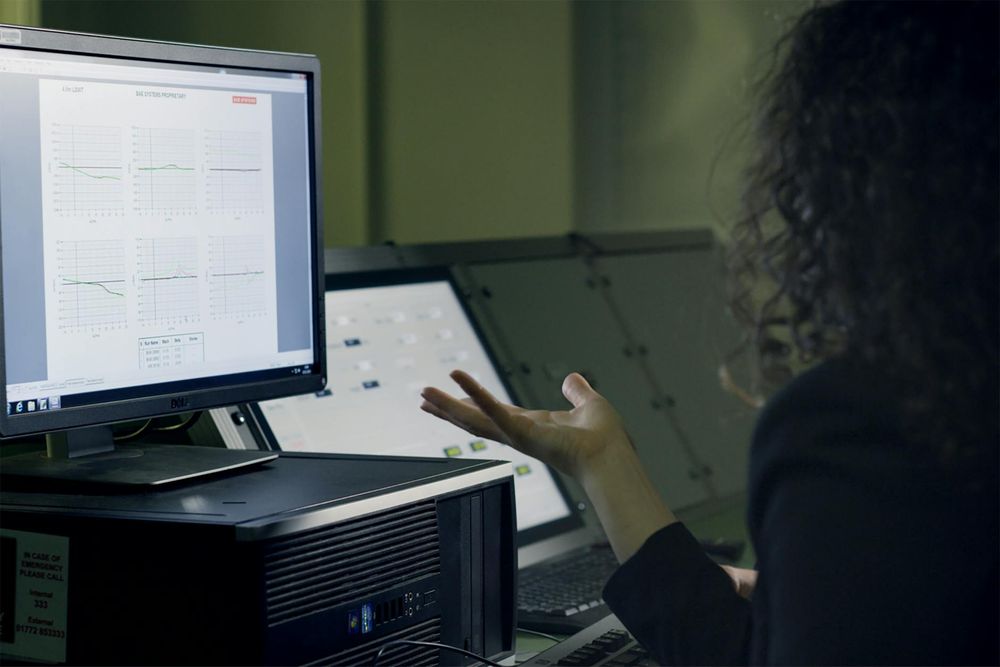
Benefits of the OBD-Based Remote Monitoring System for Customers
Here’s how the OBD-GSM system adds value to end-users, whether they’re managing electric vehicles, renewable energy storage, or industrial lithium battery systems:
1. Real-Time Battery Health Monitoring
- Proactive Maintenance: Customers can track critical parameters (voltage, current, temperature, cycle count) in real time, preventing unexpected failures.
- Early Fault Detection: Instant alerts for issues like overvoltage, overheating, or overload reduce downtime and repair costs.
2. Enhanced Safety
- Risk Mitigation: Automatic shutdown or alerts for dangerous conditions (e.g., thermal runaway, short circuits) protect equipment and users.
- Compliance: Meets safety standards for lithium batteries in industries like automotive (ISO 26262) or energy storage (UL 9540).
3. Remote Configuration & Optimization
- Adjust Settings Anytime, anywhere: Customers can reprogram BMS thresholds (e.g., low-voltage cutoffs, charge rates) via GSM without physical access.
- Optimized Performance: Tailor battery behavior to specific needs (e.g., extend lifespan by limiting depth of discharge).
4. Historical Data Access
- Cycle Life Tracking: Download logs of charge/discharge cycles to predict battery replacement timelines.
- Root Cause Analysis: Review historical alerts and trends to diagnose recurring issues (e.g., frequent overcurrent events).
5. Reduced Operational Costs
- Predictive Maintenance: Avoid costly emergency repairs by addressing issues before they escalate.
- Energy Efficiency: Monitor inefficiencies (e.g., parasitic loads) and optimize usage patterns to save on energy bills.
6. Scalability & Flexibility
- Multi-Battery Management: Monitor fleets of batteries (e.g., EVs, solar farms) from a single dashboard.
- Integration with IoT Ecosystems: Connect to cloud platforms (e.g., AWS, Azure) for advanced analytics or AI-driven insights.
7. User Convenience
- Remote Diagnostics: Technicians can troubleshoot issues without onsite visits, saving time and labor costs.
- Mobile/Web Access: Customers view data and receive alerts via apps or dashboards, enabling 24/7 oversight.
8. Extended Battery Lifespan
- Smart Charging: Prevent overcharging/over-discharging by enforcing BMS limits, increasing battery longevity.
- Cycle Management: Optimize usage to avoid stressing the battery beyond its design limits.
9. Compliance & Reporting
- Automated Logs: Generate audit-ready reports for warranty claims, insurance, or regulatory requirements (e.g., carbon footprint tracking).
- Warranty Validation: Prove proper battery usage to avoid voiding warranties.
10. Future-Proofing
- Firmware Updates: Deploy OTA (Over-the-Air) updates to add new features or improve security.
- Adaptability: Scale the system for new battery chemistries (e.g., solid-state) or evolving protocols.
Key Industries & Use Cases
- EV Fleet Operators: Minimize vehicle downtime and optimize charging schedules.
- Renewable Energy: Protect solar/wind storage systems from degradation.
- Industrial UPS/Backup: Ensure critical power systems are always operational.
- Consumer Electronics: Offer premium remote diagnostics for high-end products.
Conclusion
By integrating OBD and GSM technology, customers gain safety, cost savings, and control over their lithium battery systems, transforming passive hardware into a smart, data-driven asset. This system pays for itself through improved reliability, reduced downtime, and extended battery life.
From Kunwer Sachdev’s Network
Want to compare prices before you buy?
India’s independent price-comparison and buying-intelligence hub for inverters, batteries and solar — zero affiliate bias.
➤ Compare inverter & UPS prices
➤ Lithium vs lead-acid — full guide
➤ Free backup calculator (lab-tested data)
The story of Kunwer Sachdev — 76+ patents, India’s first plastic-body inverter, and the journey that brought solar into millions of homes.
➤ Pioneer timeline of firsts
➤ Video library — the work in his own voice