
Lead Acid Batt Fall Short in Performance When Compared to 7.2KW Lithium Batteries

Lead Acid Batt Fall Short in Performance Compared 7.2KW Li Batt.
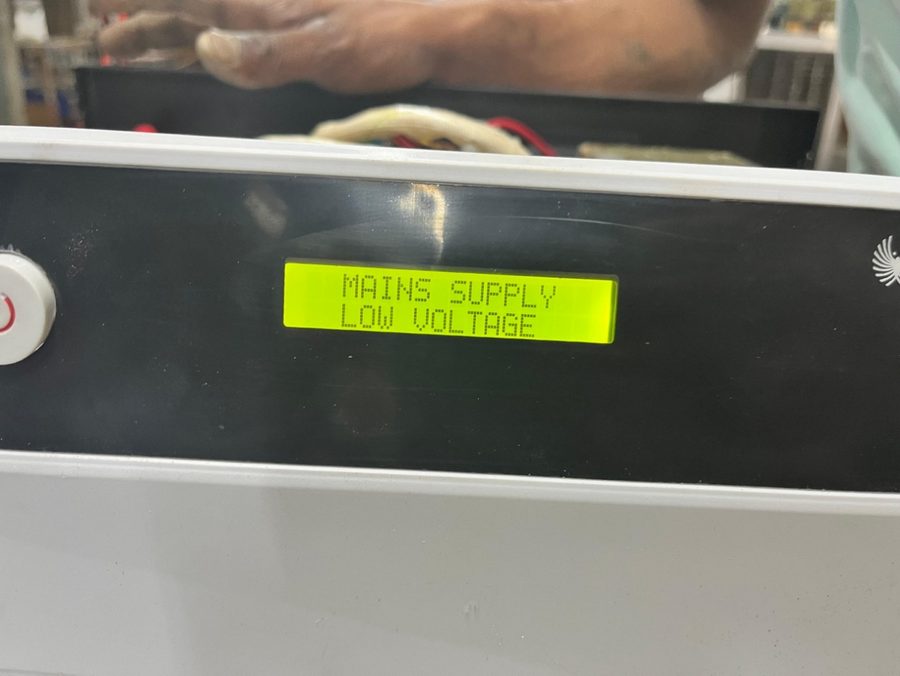
Suppose we must run a 7 KW load for one hour on the Inverter/UPS Hybrid Solar Inverter or the solar PCU. In that case, the 7.2 KW Lithium-ion or LifePO4 batteries are the clear answer, but if we need to run the same load on the Tubular Lead Acid batteries, then the answer is we need 10 number 200 Ah tubular batteries, which might not be able to run 7KW load for 1 hour. So, let us experiment and find out the answer by running this load on a 10KVA/120V Inverter and then comparing the pricing. When we ran this experiment, we got the real answer and Tubular batteries of 200Ah capacity fell short of giving 1 hour on the 7KW load, and it gave the backup for 50 minutes only. In the case of the Lithium LifePO4 battery Inverter of 10KVA/96V, we got more than 1 hour of backup. So if we compare the price of a 7.2KW Lithium battery, which will be approximately Rs 1,35,000-150,000, and the cost of 10 tubular batteries of 200Ah, it will be approximately Rs. 1,20000-1,50,000. So, if we see the life of the Tubular battery and the Lithium battery has no match, a Lithium battery of 7.2KW will be cheaper than a Tubular Lead Acid battery.https://suvastika.com/difference-between-tubular-and-lithium-battery/
| Feature | 7.2KW Lithium Battery | Lead Acid Battery |
|---|---|---|
| Capacity | C1 | C20 |
| Cycle Life | 2000-3000 cycles | 500-600 cycles |
| Charge Time | 2-4 hours | 10-15 hours |
| Depth of Discharge (DoD) | 80-100% | 50-60% |
| Operating Temperature Range | -20°C to 60°C | 0°C to 40°C |
| Maintenance | Low | High |
| Safety | More stable | Less stable |
| Cost | Rs 15,000-20,000 | Rs 18,000-22,000 |
Energy Density
Lithium batteries have a much higher energy density than lead acid batteries, meaning they can store more energy per unit of weight. This makes them ideal for applications where weight and space are a concern, such as electric vehicles and portable electronics.
Cycle Life
Lithium batteries also have a much longer cycle life than lead acid batteries, meaning they can be charged and discharged more times before they need to be replaced. This makes them a more cost-effective option in the long run.
Depth of Discharge (DoD)
Lithium batteries can be discharged to a much greater depth than lead acid batteries without damaging the battery. This means you can get more usable energy from a lithium battery than a lead-acid battery.
Operating Temperature Range
Lithium batteries can operate in a wider temperature range than lead-acid batteries. This makes them more versatile and suitable for use in various applications.
Maintenance
Lithium batteries require no maintenance, while lead-acid batteries require regular watering and cleaning.
Safety
Lithium batteries are more stable than lead-acid batteries and are less likely to explode or leak.
Cost
Lithium batteries are cheaper than lead-acid batteries; their life is three times that of lead-acid batteries.
Overall
Lithium batteries are superior to lead-acid batteries in almost every way. They are more energy-dense, have a longer cycle life, can be charged faster, can be discharged to a greater depth, can operate in a wider temperature range, require less maintenance, and are safer.
In conclusion
The best type of battery for a particular application will depend on the specific needs of that application. However, in general, lithium batteries are the better choice for most applications.
⚡ Calculate your exact backup time — free
Our mentor Kunwer Sachdev designed a free calculator for the ease of selection of battery and inverter, with the exact backup time chart — built on real lab discharge tests, not brochure mathematics. Try the backup calculator on InverterIndia.com →
From Kunwer Sachdev’s Network
Want to compare prices before you buy?
India’s independent price-comparison and buying-intelligence hub for inverters, batteries and solar — zero affiliate bias.
➤ Compare inverter & UPS prices
➤ Lithium vs lead-acid — full guide
➤ Free backup calculator (lab-tested data)
The story of Kunwer Sachdev — 76+ patents, India’s first plastic-body inverter, and the journey that brought solar into millions of homes.
➤ Pioneer timeline of firsts
➤ Video library — the work in his own voice
Part of the Series
Complete Guide to Lithium Batteries for Home Inverters in IndiaExplore Products
Su-vastika Lithium Batteries
25+ patents · Made in India · 10,000+ installations